
Also known as Lumbago, low back pain can have many causes.

If you’re suffering with low back pain you are not alone
Around 80 percent of the population will suffer from this condition due to spinal misalignment sometime in their life.
Causes of bio-mechanical stress could come from a single violent episode or over time as a repetitive strain type injury.
Bio-mechanical breakdown of a joint can happen in almost any part of the body, but in the spine, we usually see it in the more mobile areas of the low back and in the mid cervical area.
When the spine is misaligned and not moving correctly through the joints, it causes stress on those joints, especially with movement. This leads to injury of the joint creating inflammation which can often be over an extended period of time.
The continuous cycle of tissue break down and the body’s attempt at repair, causes the joint to break down to a stage where the cartilage between the bones begin to distort and bulge. In the end, when the joint has broken down sufficiently, the body may try to fuse the joint. This is the process of osteoarthritis.
This process of break down and inflammation can be very painful.
Don’t Ignore Back Pain
It’s important not to ignore these symptoms. Letting back pain linger can not only make it worse over time, but it also increases your chances of having the same problem again in the future. Early attention to pain and stiffness can help prevent further joint damage and the cycle of breakdown.
If you’re experiencing ongoing discomfort, seeking a thorough assessment is a smart first step. Understanding the underlying cause can help you address the problem before it progresses, getting you back to your normal activities sooner and helping to prevent long-term issues.
Low back pain (a typical case)
In the initial stages of tissue damage and inflammation, the lower back doesn’t necessarily have severe symptoms.
The disc itself does not have nerve fibers for pain at its center. There are only pain-sensitive fibers on the outer 1/3 of the disc.
So, when the tissue damage starts at the center of the disc, the person will not necessarily know as there is no pain to warn of the damage.
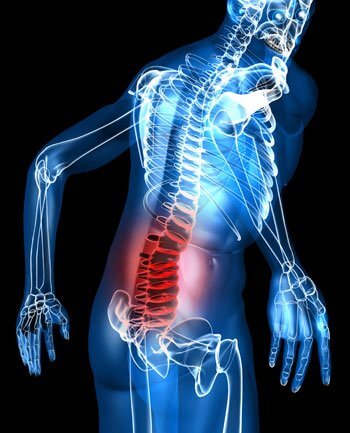
Typically, the disc tends to distort and derange at the back of the disc. This is due to the way most people in our society bend through their low back. (Bending forward without bending through the hips and knees as in a squat).
The way we sit also causes increased pressure on the lumbar discs. Modern humans sit a lot. The flexed spine (bent forward) movement forces the nucleus inside the disc (its soft inside bit) backwards – like a donut being squashed in a press from the front. The donut’s soft middle bit would likely come out the back end of the disc.
It is the same principle with the disc itself, except it usually happens over time. The person would usually first notice a small twinge or stiffness after getting up from a chair. Or discomfort first thing upon getting up in the morning. These are usually the first warning signs of altered bio-mechanics causing damage. This usually happens when the disc damage or derangement starts to encroach on the area of the outer 1/3 of the disc.
Common Symptoms: What to Look Out For
These signs can come and go over an extended period and may even go away and then one day, the person has an acute episode usually in the form of stabbing pain and muscle spasm. If the disc bulges or rips into the outer 1/3 of the disc or beyond, the pain can be excruciating. It often occurs with some benign movement—“I reached for a pencil.” The person would describe a pain that took their breath away and that they couldn’t stand up straight. Some also complain of leg pain.
In addition to these sudden episodes, people with lumbago (lower back pain) can experience:
- Stiffness and loss of flexibility in the lower back, which may worsen at night or when moving in certain ways, such as bending or twisting.
- A feeling of tightness or reduced range of motion, making it hard to perform everyday activities.
- Discomfort that may be most noticeable after sitting for long periods or during the first moments after waking up.
Beyond the physical symptoms, this kind of back pain can be deeply frustrating and upsetting.
Everyday activities like looking after children, keeping the house tidy, or even just trying to get comfortable to sleep can become challenging.
Whether your job is physically demanding or you spend hours in front of a computer, persistent pain can make work life tough as well.
That constant ache, paired with the inability to do the things you enjoy, often leads to anxiety and a sense of helplessness.
If the bulge in the disc is large enough to reach the nerve roots exiting the spine, the person will experience sciatica.
This manifests as pain radiating down the leg, sometimes accompanied by numbness, tingling, or weakness. Sciatica is a sign that the nerve itself is now being affected—not just the disc.
Understanding these early and progressive symptoms is essential. They often start subtly, with stiffness or fleeting aches, before escalating into more severe forms of pain and functional limitation. Recognizing these warning signs allows for earlier intervention and, hopefully, a quicker return to comfortable movement.
What to Expect During Your Initial Back Pain Assessment
When you come in for an assessment of your lower back pain, the process is thorough and tailored to your individual needs.
First, you’ll discuss your symptoms and history in detail, including any particular movements or incidents that might have triggered your discomfort. The practitioner will pay close attention to how you move—observing your posture, how you bend or twist, and whether you have any restriction or instability.
A physical examination follows, with gentle tests to assess your flexibility, strength, and how your nerves are functioning. They’ll check for areas of weakness or stiffness that might be contributing to the problem and ensure your symptoms aren’t related to another underlying condition.
Throughout this process, you’ll receive clear explanations about what’s happening in your back, and guidance about the best next steps to support recovery, manage pain, and reduce your risk of ongoing issues. If further investigations—like an MRI or X-ray—are needed, referrals can be recommended and coordinated with your GP to ensure nothing gets missed.
Sciatica refers to irritation or compression of the sciatic nerve—the longest nerve in the body, which runs from the lower back, through the buttocks, and down each leg all the way to the feet. When this nerve is affected, the hallmark symptoms can include pain, tingling, numbness, or even a burning sensation that radiates from the lower back down the leg—sometimes all the way to the toes. Interestingly, not everyone with sciatica will have back pain; for some, the discomfort is only felt in the leg or buttock.
Pain from sciatica can range from a mild ache to a sharp, excruciating jolt. It often worsens with certain activities—sitting for long periods, coughing, or sneezing can amplify the symptoms. In addition to pain, people may notice stiffness or a loss of flexibility in the lower back, particularly after periods of rest or when moving in certain ways (like bending or twisting).
These symptoms may fluctuate, sometimes fading for weeks or flaring up unexpectedly, especially if the disc bulge presses more firmly on the nerve. For some, lower back pain and leg pain come as a package deal; for others, leg symptoms dominate. In all cases, the underlying culprit is often the same: a disc derangement disturbing the nerve roots and setting off a cascade of pain and inflammation that can make even the most ordinary movements feel monumental.
What Can You Do in the First Week?
When you’re suddenly sidelined by acute lumbago or sciatica, the first week can feel like waiting out a storm. Thankfully, there are a few tried-and-true strategies that can help take the edge off:
- Keep Moving (Gently): While your instincts may tell you to curl up and stay there, it’s better to move around as much as you comfortably can. Short walks and light stretching can help prevent everything from seizing up.
- Temperature Therapy: Alternating heat and cold packs can work wonders. Apply a cold pack to reduce inflammation, then switch to a heating pad to loosen tight muscles.
- Pain Relief: Over-the-counter options like ibuprofen (Advil, Motrin) or acetaminophen (Tylenol) can take the sting out of a bad flare-up, but it’s wise to use them as directed and check with your pharmacist if you have any questions.
These simple measures won’t magically erase the problem, but they often help keep you moving – which, ironically, is one of the best things you can do for your back.
Follow this link to see: How We treat Sciatica and Lower Back Pain at Scofield Chiropractic
Manual Therapy Techniques for Lumbago and Sciatica
When addressing lumbago and sciatica, several hands-on therapies can help to restore movement and reduce discomfort. Manual therapies often include:
- Sports Massage: This approach helps to ease muscle tension and boost blood flow, which can relieve pain and support the healing process.
- Joint Mobilisation: Gentle, controlled movements through the affected spinal joints can help restore proper mobility and alignment, reducing pressure on sensitive structures.
- Acupuncture: By stimulating specific points on the body, acupuncture can help manage pain and encourage the body’s natural healing response.
Other techniques such as trigger point therapy, soft tissue release, and myofascial release may also be incorporated, depending on what each individual case requires. The key is to select a combination of methods that targets both the cause of the pain and the symptoms, so you can get back to moving comfortably as soon as possible.
How to Ease Lumbago and Sciatica Pain After the Initial Week
Once you’ve made it through the first challenging week with low back pain or sciatica, you may wonder what else you can do to support your recovery (and, importantly, prevent another “pencil incident” from taking you down). The good news: there are practical steps you can take to keep the healing process on track.
Getting Back to Moving
It’s tempting to rest as much as possible, but one of the best things you can do is gently resume normal daily activities as your body allows. Movement helps your joints and discs function properly, encourages circulation, and can speed up tissue repair. Think of activities like walking at a comfortable pace or light swimming—these keep you moving without adding extra strain on your low back.
Exercises and What to Avoid
Gentle exercises focusing on mobility and core stability (think of Pilates-style movements or carefully-guided stretches) can be extremely beneficial. However, be wary of any activities that involve twisting or heavy lifting, as these can aggravate an already unhappy back and prolong inflammation.
If symptoms are stubborn and aren’t settling down, it’s wise to seek help from a musculoskeletal professional. Physiotherapists and chiropractors can offer hands-on treatments such as joint mobilizations, targeted massage (sports massage can work wonders for releasing deep-seated tension), and sometimes acupuncture—all of which can help reduce pain and improve movement.
Building an At-Home Routine
A tailored exercise program is often recommended to rebuild your strength and flexibility. These routines typically focus on restoring proper spinal mechanics, strengthening the supporting muscles around your core and pelvis, and preventing future flare-ups. Consistency pays off: following a structured program, like those from the NHS or reputable organizations such as the Chartered Society of Physiotherapy, can make a big difference in your recovery.
Regaining Your Rhythm
With the right combination of gentle activity, hands-on care, and a well-designed exercise plan, you can break the pain-inflammation cycle, regain lost strength, and return to your favourite activities—whether that means running marathons, gardening, or simply tying your shoes without wincing.
And remember, early action and ongoing care are your best insurance against future episodes.
What Kind of Exercise Programs Can Help?
A crucial part of recovering from back pain is encouraging the spine to move as normally as possible and helping the surrounding muscles regain their natural strength and flexibility. At an early phase—once acute pain has settled—a tailored exercise program is often one of the most effective ways to support this process.
A comprehensive back care exercise program might include:
- Gentle Mobility Work: Simple movements like knee-to-chest stretches (sometimes called “knee hugs”) can provide gentle relief. To try this at home, lie on your back, extend your legs, and with a slow deep breath out, bring one knee up towards your chest and hold for several breaths before releasing. Alternate sides. This helps reduce tension and increase flexibility in the lower back—but if the exercise actually aggravates your pain, it’s best to stop and check with a professional.
- Core Strengthening: Strengthening the muscles that support your spine (think: deep abdominals, pelvic floor, and glutes) can reduce strain on inflamed joints. Movements such as modified planks, gentle bird-dogs, and bridges are well-recognised by organisations like the American College of Sports Medicine for their role in back care.
- Postural Retraining: Focusing on sitting and standing posture, as well as learning to bend and lift correctly, often forms the backbone (pun slightly intended) of any recovery plan.
- Progressive Functional Exercise: Once pain decreases, exercises become more dynamic to restore confidence and resilience. This can include bodyweight squats, gentle resistance bands, or supervised machine-based movements.
The real key is consistency, pacing, and listening to your body. Exercise shouldn’t increase pain, and you may need to adapt or seek guidance from a physiotherapist or other back care specialist if things aren’t improving. Remember, retraining movement and gradually building up strength can help shift the odds in your favour for long-term recovery and resilience.
A Simple Home Exercise: The Knee-to-Chest Stretch
If your lower back has decided to embrace that uniquely frustrating combo of stiffness and pain, there’s a gentle exercise you can try at home that often brings some relief—knee-to-chest stretches.
Here’s how to do it:
- Lie flat on your back on a firm but comfortable surface, legs stretched out.
- Take a slow, deep breath. As you breathe out, use both hands to pull one knee up towards your chest. Hug it gently but firmly—think more “polite embrace” than “wrestling match.”
- Hold that position while breathing slowly (aim for three or four deep breaths), then ease your leg back down.
- Repeat with the other leg.
This simple movement helps relieve pressure on the lower back and encourages better mobility.
Important: If you notice a significant spike in pain or discomfort while doing this exercise, please stop right away and consult with your healthcare professional. Never push through sharp or increasing pain—your back will thank you (eventually)!